
Personal Protective Equipment (PPE) is a fundamental part of workplace safety across every industry. Whether it’s safety glasses or respirators, PPE is often the last line of defense for protecting employees. PPE is used when a hazard cannot be fully eliminated. While requirements have not changed drastically, the oversight has.
Why a Proper Fit Matters
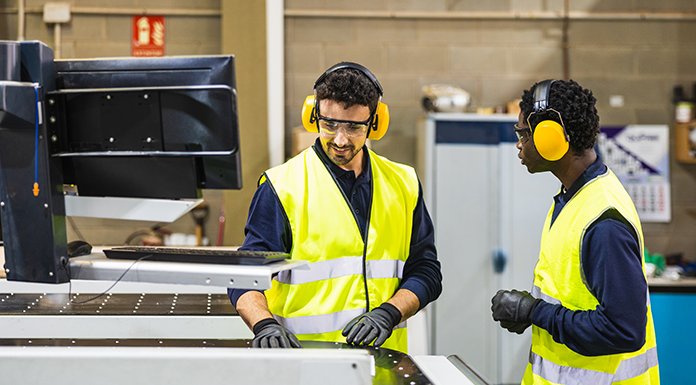
One of the biggest areas that has recently become a focus is properly fitting PPE. PPE needs to fit the worker using it. Equipment that is too large or too small can reduce the protection it was designed to provide and can also create new hazards. For example, a warehouse worker wearing a large, loose-fitting safety vest could get caught in a machine.
Don’t Skip the Hazard Assessment
Another common issue is the completion of hazard assessments. OSHA and other regulatory agencies require employers to evaluate each job task and determine which PPE is required to keep workers safe. The assessment findings are also expected to be documented. It’s also important to remember that a new or updated hazard assessment should be completed whenever operations or processes change.
Comfortable Equipment Drives Compliance
As operations evolve and industries change, PPE design improves. More comfortable, task-specific equipment has been developed. Better-fitting gloves, cooling gear, anti-fog eye protection, and technology-enhanced equipment have been introduced. These changes can make a big difference in whether employees wear PPE. If workers are constantly not wearing or removing PPE because it’s uncomfortable, that is a sign it’s time to reassess what is being provided.
Key Respiratory Protection Rules
Respiratory protection remains an area where employers get tripped up. If respirators are required, you need a full program in place, including medical evaluations and fit testing. Even voluntary use of respirators (yes, this includes N95 face masks) has rules that are often missed. Ensuring that respirators are properly selected, fitted, and used by employees can help employers avoid compliance issues while providing the level of protection the equipment was designed to deliver.
The Importance of Practical Training
Training remains an important part of PPE use. Even something as simple as wearing gloves requires instruction. Employees need to know which gloves are appropriate for the task, when to wear them and when not to, and when to report a poor fit and request a replacement. PPE training should be based on a completed hazard assessment and should emphasize the importance of proper fit and its impact on safety. Keep training practical, brief, and job-specific, as this approach is more likely to be understood and remembered.
Key Takeaways
At the end of the day, PPE isn’t just about checking a box. Make sure it fits, matches the job, and is used correctly. This will go a long way toward preventing worker injuries.
Our Safety OnDemand® portal offers a robust library of PPE resources including frontline employee training, train-the-trainer courses, toolbox talks, and live and recorded webinars.
Check out these additional resources:
- National Safety Council – PPE Poster
ICW Group’s Risk Management Services provides access to consultants who are ready and able to provide support. Consultants can assist with hazard assessments, supervisor training on PPE, employee-level PPE training resources, and the customized safety programs mentioned above. Visit our site to explore workplace safety resources and comprehensive Risk Management Services!