
At home and on vacation, we think of water activities as supreme fun and as a source of idyllic stress relief. Taking a few extra minutes to plan ahead can be the difference between a relaxing day at the beach and a potentially dangerous situation.
Enjoy the Water Responsibly
- Research local conditions.
- Pack the right safety gear.
- Supervise young swimmers.
- Resist the urge to take unnecessary risks.
Diving into unfamiliar waters, ignoring warning signs, or skipping life jackets might seem harmless in the moment, but these small decisions can lead to serious consequences. Responsible choices ensure that your trip is memorable for the right reasons.
Understanding the Safety Risks
Every year, at least 300,000 people die because of water-related activities. Drowning is the third leading cause of unintentional injury worldwide each year.
Before going to any beach, do your research. Try to identify all major hazards and prepare for their possibilities.
Avoid going to any body of water unaccompanied. This is especially important for children, as minors under the age of 5 are the most impacted.
Tips for Staying Safe Around the Water
- Swim in Designated Areas with Lifeguards
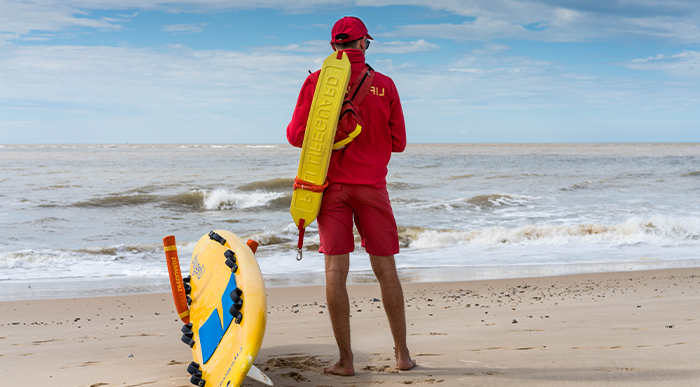
- Always choose beaches with lifeguards.
- Swim between red and yellow flags when applicable.
- Know the Water Conditions
- Check for:
- Weather
- Rip currents
- Waves and tides
- Water quality alerts (e.g., bacteria levels, marine life)
- Check for:
- Understand and Obey Beach Warning Flags
- Flag Color Meaning (confirm meanings in local areas):
- Green: Safe conditions
- Yellow: Moderate hazard
- Red: High hazard (strong surf/currents)
- Purple: Dangerous marine life
- Double Red: Water closed to public
- Flag Color Meaning (confirm meanings in local areas):
- Protect Yourself from the Sun
- Use SPF 30+ sunscreen.
- Wear UV-protective clothing and a hat.
- Stay hydrated and avoid excess alcohol.
- Never Swim Alone
- Use the buddy system.
- Always supervise children closely.
- Rip Current Safety
- Do not fight the current.
- Swim parallel to the shore until free, then return to shore.
- Stay Off Rocks and Jetties
- Waves against slippery surfaces pose serious risks.
- Use Proper Gear
- Life jackets for children and weak swimmers.
- Use snorkeling floats if venturing far from shore.
- Beware of Marine Life
- Research the local marine life and follow safety recommendations.
- Shuffle feet to avoid stingrays.
- Avoid touching unknown animals (e.g., jellyfish, etc.)
- Know Emergency Contacts and First Aid
- Locate the nearest lifeguard station.
- Know how to perform CPR or have someone nearby who can.
Key Water Safety Resources
- United States Lifesaving Association (USLA)
- International Life Saving Federation (ILS)
- American Red Cross
- National Oceanic and Atmospheric Administration (NOAA)
- Surf Life Saving Australia (SLSA)
- Royal National Lifeboat Institution (RNLI)
- Centers for Disease Control and Prevention (CDC)
- World Health Organization (WHO)
By following these steps and guidelines, you and your family can have a restorative, fun time on vacation and in the water.